
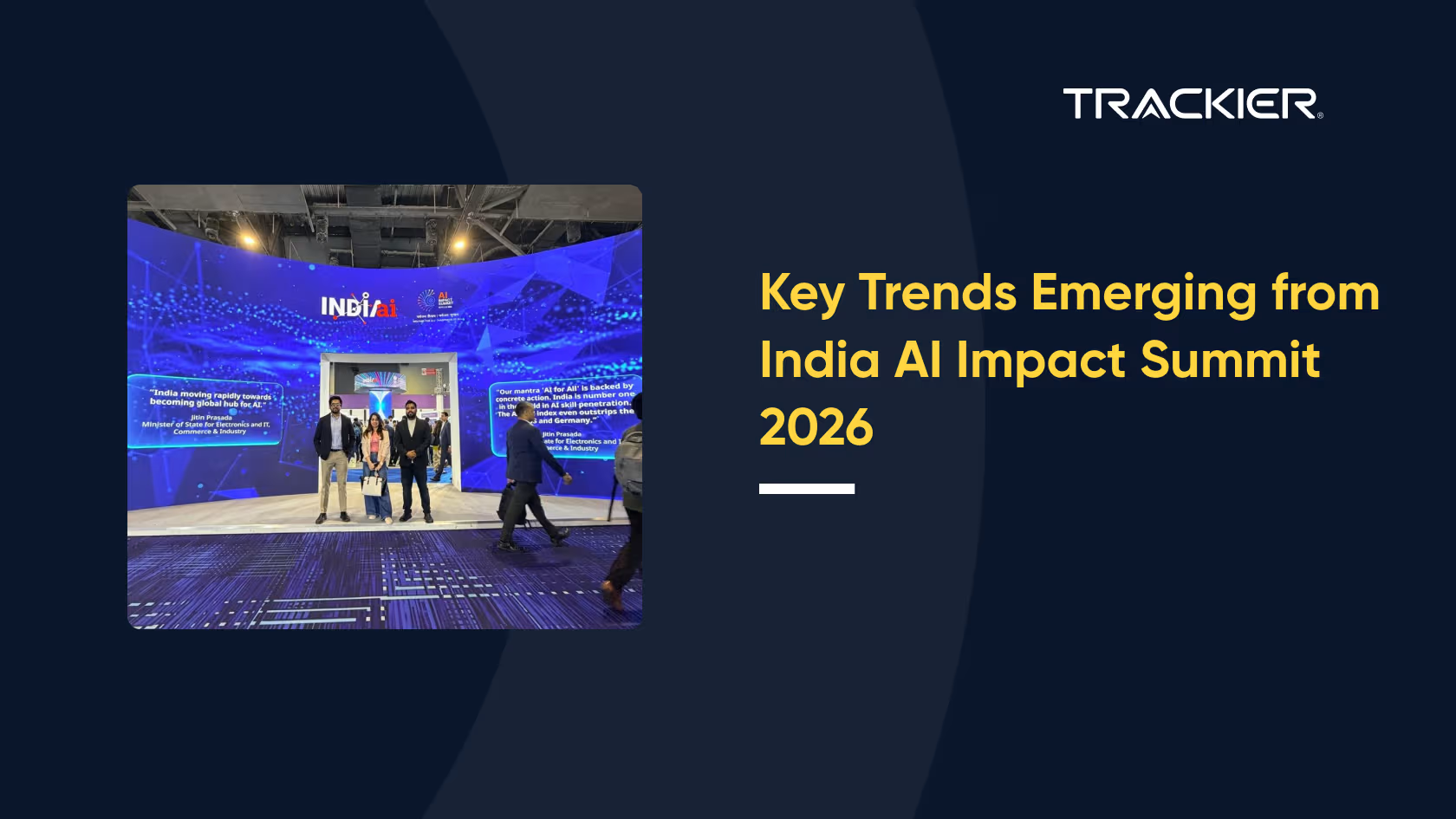
How Artificial Intelligence Is Moving from Experimentation to Real-World Impact
The conversations at the India AI Impact Summit 2026 reflected a growing consensus that AI is becoming an essential driver of innovation and growth. Organizations that successfully adopt AI technologies will be better positioned to adapt to changing market conditions and evolving customer expectations.
The summit ultimately highlighted that the future of artificial intelligence will be defined not only by technological advances but also by how effectively organizations apply these innovations in practical and responsible ways. It brought together technology leaders, innovators, entrepreneurs, and digital transformation experts to explore the rapidly evolving role of artificial intelligence across industries. The summit stood out as a platform for meaningful discussions around practical AI adoption, moving beyond theoretical possibilities toward real- world implementation.
As artificial intelligence becomes increasingly embedded in business operations, the summit highlighted how organizations are leveraging AI to improve efficiency, decision- making, and customer engagement. The event reflected a broader industry shift toward intelligent systems that help businesses operate faster and more effectively in competitive environments. Across multiple sessions and conversations, it became evident that AI is no longer viewed as an experimental technology. Instead, it is being integrated into everyday business processes, from marketing and analytics to product development and customer experience.
The summit provided a comprehensive view of how artificial intelligence is evolving and what the future may hold for organizations embracing AI- driven transformation.
From Experimentation to Practical Implementation
One of the most prominent themes throughout the summit was the transition from experimentation to practical implementation. In recent years, many organizations have explored artificial intelligence through pilot projects and limited use cases. However, the discussions at the summit indicated that businesses are now moving toward full- scale adoption.
Speakers emphasized that AI is increasingly being deployed to solve specific business problems rather than being treated as a standalone innovation initiative. Organizations are focusing on measurable outcomes such as improved efficiency, better decision- making, and enhanced customer experiences.
Several industry experts highlighted that successful AI adoption depends not only on advanced technology but also on strong data infrastructure and clear business objectives. Companies that align AI initiatives with practical goals are more likely to achieve meaningful results. The summit demonstrated that artificial intelligence is becoming a core component of digital transformation strategies across industries.
Data as the Foundation of AI
Another major focus of the summit was the importance of data in enabling effective AI systems. Artificial intelligence depends on high- quality data, and many discussions centered on how organizations can establish strong data foundations. Experts emphasized that data collection alone is not sufficient. Organizations warrant systems that ensure data accuracy, accessibility, and security.
Key areas discussed included: Data integration across platforms Real- time analytics capabilities Data governance frameworks Privacy- focused data management Scalable data infrastructure Participants noted that businesses investing in strong data ecosystems are better positioned to benefit from AI technologies. Reliable data enables more accurate predictions and supports better decision- making. The conversations highlighted that data readiness is often the biggest challenge organizations face when implementing artificial intelligence solutions.
Automation and Intelligent Workflows
Automation emerged as another important theme at the summit. Artificial intelligence is enabling organizations to automate intricate processes that previously required significant manual effort.
Speakers discussed how AI- powered automation is improving operational efficiency across a wide range of industries. Intelligent workflows are helping teams reduce repetitive tasks and focus on strategic initiatives.
Examples of AI- driven automation discussed at the event included: Automated customer support systems Predictive analytics tools Intelligent reporting systems Workflow optimization Real- time monitoring and alerts Participants emphasized that automation is not about replacing human expertise but about enhancing productivity. AI- powered tools allow professionals to focus on creative and strategic work while routine tasks are handled automatically. This shift toward intelligent automation is expected to continue as organizations seek scalable solutions for managing growth.
The Growing Importance of Responsible AI
As artificial intelligence adoption accelerates, responsible implementation is becoming a key priority. Several sessions at the summit focused on the ethical and regulatory considerations surrounding AI technologies.
Industry leaders highlighted the importance of developing AI systems that are transparent and fair. Organizations are increasingly expected to demonstrate accountability in how they use data and deploy AI- driven solutions. Key topics included: Ethical use of artificial intelligence Transparency in automated decision- making Data privacy and protection Bias mitigation in AI models Regulatory compliance Speakers emphasized that trust will execute a critical role in the long- term success of artificial intelligence. Organizations that prioritize responsible AI practices are more likely to create sustainable relationships with customers and partners.
The discussions reflected a growing recognition that innovation must be balanced with accountability.
Cross- Industry Applications of AI
The summit also showcased how artificial intelligence is being applied across diverse industries. AI is no longer limited to technology companies; it is becoming relevant to organizations in sectors such as finance, healthcare, retail, and manufacturing.
Participants shared examples of how AI is being used to: Improve customer experiences Optimize supply chains Enhance fraud detection Support product innovation Enable personalized services These use cases demonstrated the versatility of artificial intelligence and its potential to create value across different business environments. The cross- industry perspective provided a broader understanding of how AI is transforming modern organizations.
Collaboration Driving Innovation
Collaboration was another key theme highlighted at the summit. Artificial intelligence development often requires cooperation between technology providers, businesses, and research institutions.
Participants emphasized that partnerships play an important role in accelerating innovation. By sharing knowledge and expertise, organizations can develop more effective AI solutions.
Industry events such as the summit provide valuable opportunities for professionals to exchange ideas and explore new approaches to AI adoption. These interactions contribute to a stronger ecosystem where innovation can flourish.
Looking Ahead
The India AI Impact Summit 2026 offered a comprehensive overview of the current state of artificial intelligence and its future direction. The discussions made it clear that AI will continue to influence how organizations operate and compete.
Several trends are likely to shape the next phase of AI development: Greater integration of AI into everyday business tools Increased focus on data quality and infrastructure Expansion of automation across industries Stronger emphasis on ethical AI practices Continued collaboration between organizations As artificial intelligence continues to evolve, events value the summit will remain important platforms for understanding emerging trends and sharing insights.
The conversations at the India AI Impact Summit 2026 reflected a growing consensus that AI is becoming an essential driver of innovation and growth. Organizations that successfully adopt AI technologies will be better positioned to adapt to changing market conditions and evolving customer expectations.
The summit ultimately highlighted that the future of artificial intelligence will be defined not only by technological advances but also by how effectively organizations apply these innovations in practical and responsible ways.
