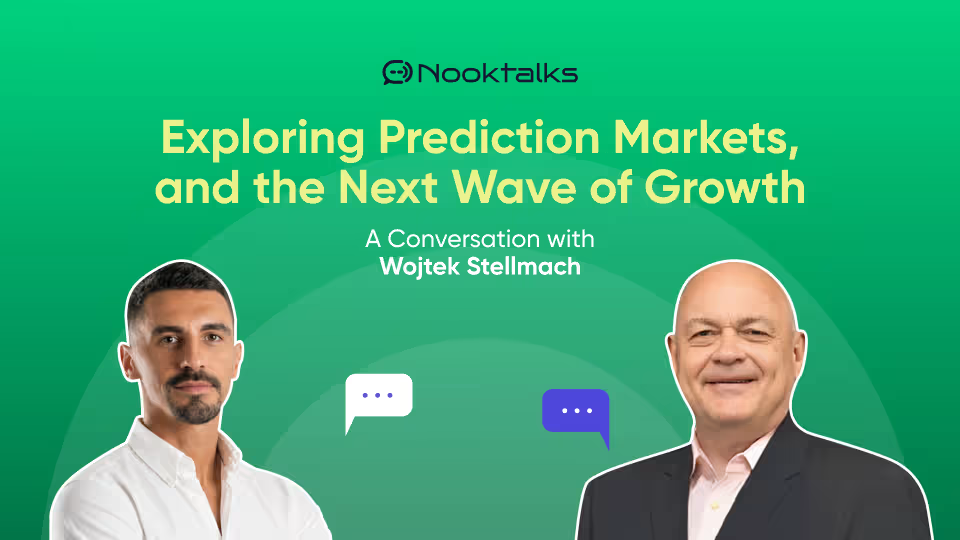
If you’re curious about how affiliate marketing is evolving, this first episode of Nook Talks is one you shouldn’t miss. Mukul Kaushik chats with Lee-Ann Johnstone, the founder of Affiverse, in a warm, revealing conversation. Lee-Ann is a veteran in the affiliate world—media, agency work, training, events—you name it. Through this talk, she shares what’s going on at Affiverse, what to expect from big upcoming events, and most importantly, what to look for when selecting tracking tools and platforms.
Who is Lee-Ann Johnstone and What is Affiverse
Lee-Ann Johnstone leads Affiverse—an agency that also works as a media company, training business, and event organizer. Her goal is to be a one-stop source for learning affiliate marketing best practices. Whether you’re a brand, affiliate, or advertiser, Affiverse offers training (like the AMPP program), helps with affiliate program launches, recruitment, audits, and technical integrations.
What’s Coming Up: Elevate Summers & IGB Barcelona
Lee-Ann revealed two big events on Affiverse’s calendar:
- Elevate Summers 2025 (July, London): Practical sessions, masterclasses, tools, speakers who are actually going to teach—not just talk. It’s designed so affiliates, brands, and advertisers can walk away with things they can use immediately.
- IGB Barcelona: Though not new to the industry, this is its first time in the new venue. Lee-Ann commented on how well organized things appear, how busy it’s going to be, and that there’s real energy. It seems like these events are going to be great places to connect, learn, and see what’s trending.
These upcoming events reflect how dynamic and fast-changing affiliate marketing is. The need for education, networking, tools, and staying updated is greater than ever, especially with more platforms, regulations, and competition in the mix.
The Tracking Tools Question: What to Watch Out For
One of the most important parts of the episode was Lee-Ann’s thoughts on tracking platforms. If you’re in affiliate marketing, this is one key area where mistakes can cost you time, money, or growth. Here are her tips, in simple terms:
- Reporting matters most
The reporting/dashboard suite is critical. If your affiliate platform doesn’t give you the kinds of reports you need, you’ll struggle to optimize. You want different views: daily, cohort, conversion rates, etc. - Multiple tracking options
It’s not enough to rely on just one type. Pixel tracking is common, but server-to-server tracking (postbacks) can be more reliable in certain situations. You should check that the tool supports all of these as needed. - Onboarding & Migration challenges
When you switch platforms, data migration, integration, making sure affiliates are happy, ensuring postbacks, pixel rules, etc., all work well—these are all things that can trip people up if not planned well. - Affiliate satisfaction
It’s not just about what the brand or advertiser wants. Affiliates need clarity, good dashboards, timely data, reliable tracking; otherwise, trust may erode.
Why These Things Matter
You might wonder: “Why all this fuss about tracking?” Well, because affiliate marketing is fundamentally a performance and data game. If you don’t have reliable tracking or good reporting, you can’t tell what’s working, what isn’t, or where to spend more effort. Some reasons this matters:
- Wrong data → wrong decisions: you might invest in affiliates or campaigns that seem good, but aren’t truly delivering.
- Affiliates leaving: if an affiliate feels the tracking is unreliable, delayed, or opaque, they’re less likely to stay active or refer others.
- Brand reputation & scaling: a brand that can’t prove performance won’t be trusted, or will lose out when scaling to more partners, offers, geographies.
So Lee-Ann’s advice is practical: pick tools that are built for what your business needs, not just what looks good on paper.
Key Takeaways
From this conversation, here are some things I took away that could help anyone working in affiliate marketing:
- Always evaluate the reporting and dashboard capabilities before choosing a tracking platform. Don’t assume they’ll all give the detailed insights you need.
- Think long term: a tool that supports migration, that’s flexible (pixel + server-to-server), and that aligns with both your affiliate partners’ needs and your own business goals is far more valuable.
- Events are more than networking. They’re learning labs. With events like Elevate Summers and IGB Barcelona, you’ll get exposure to trends, real-case masterclasses, and tools that people are using RIGHT NOW, not theoretical stuff.
- Trust and clarity with affiliates is vital. Affiliates are a key part of the ecosystem, and their experience with tools, dashboards, communication, etc., matters a lot.
Final Words
This Episode of Nooktalks is a great opener. It sets the tone: real conversations, with real people, focusing on what works and what doesn’t in affiliate marketing. If you’re running affiliate programs, thinking to launch one, or simply interested in the business side of digital marketing, Lee-Ann’s insights will help you avoid common pitfalls and get ahead.
If you haven’t yet, watch the full video of this episode. There are nuances, examples, and a few stories that didn’t make it into this summary but hearing them directly gives more context. Also, follow Nook Talks for upcoming episodes.
FAQs
What was discussed in the Nook Talks episode?
The episode covered the evolution of affiliate marketing, how to choose the right tracking tools, reporting best practices, affiliate trust, and upcoming industry events.
What should brands look for in affiliate tracking platforms?
Brands should prioritize strong reporting dashboards, multiple tracking options (pixel and server-to-server), easy migration processes, and tools that ensure affiliate transparency.
Why do affiliates care about tracking transparency?
Affiliates rely on accurate and timely data to evaluate performance. Clear dashboards and reliable tracking build trust and encourage long-term partnerships.